Benefits of Working with Shamanic Healing for Mind Body and Spirit
A busy mind can make the body feel loud. Tight shoulders, shallow breath, restless sleep, old grief, and a sense of being cut off from meaning often arrive together. Many people try to solve these pieces one by one. Shamanic healing takes a more connected view.
Rather than treating emotional, physical, and spiritual life as separate boxes, shamanic healing works with the whole person. It draws on ancient practices found in many Indigenous and earth-based traditions, while modern practitioners may use drumming, journeying, ritual, breath, nature connection, energy work, and guided reflection.
This does not make it a replacement for medical care, therapy, or psychiatric support. It is best understood as a complementary practice. For many people, the value lies in slowing down, listening deeply, releasing what feels heavy, and reconnecting with the inner resources that everyday life can bury.
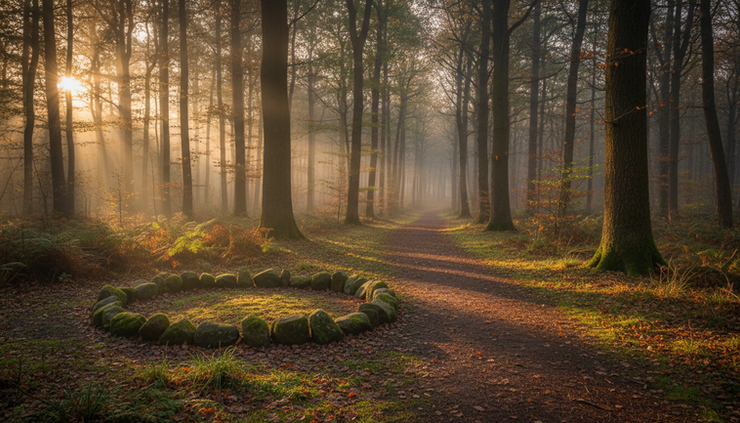
Shamanic healing works with the whole person
Shamanic traditions often begin with a simple idea: people are not only bodies or only minds. We are shaped by memory, emotion, relationships, ancestry, place, imagination, and spirit. When one part feels strained, the rest can feel it too.
A shamanic healing session may focus on different layers of experience, such as:
emotional pain that has not fully moved through
feeling disconnected from the body
repeated patterns that seem hard to shift
grief, life transitions, or identity changes
loss of purpose or spiritual direction
a need for grounding after stress or overwhelm
The practitioner’s role is not to “fix” someone from the outside. A responsible practitioner holds a safe, respectful space and supports the person in meeting their own inner material. This may happen through sound, guided visualisation, symbolic journeying, ritual, talking, silence, or work with natural elements such as stones, feathers, water, smoke, or plants.
The symbols used in a session can be powerful because they speak to parts of the self that plain logic does not always reach. A person might understand grief in their head, yet still feel stuck in their chest or stomach. Ritual gives that stuck feeling a form. It allows the body and imagination to take part in the healing process.
This is one reason people often describe shamanic healing as deeply personal. The experience is not only about analysis. It can feel like remembering something, returning to the body, or seeing an old pattern from a wider view.
It can support emotional release and inner clarity
Many people come to shamanic healing when they feel emotionally full. They may not be in crisis, but they sense that something needs attention. Old anger, sadness, shame, fear, or fatigue can sit quietly in the background for years. It may show up as irritability, numbness, difficulty making decisions, or the feeling of carrying weight that has no clear name.
A shamanic session can create a space where those feelings are allowed to surface safely. This matters because modern life often rewards pushing through. People learn to minimise discomfort, keep moving, and stay useful. Over time, the inner world becomes crowded.
Shamanic healing can help by giving emotion a place to go. Drumming, chanting, breath, movement, or guided imagery may support a shift from thinking about feelings to experiencing them. That shift can be gentle or intense, depending on the person and the session.
Some people leave with a clear insight. Others feel tired, peaceful, tearful, lighter, or more grounded. There is no single correct response. The benefit often unfolds after the session, as the person notices subtle changes in how they react, rest, speak, or choose.
Emotional clarity may look like:
recognising a boundary that needs to be set
seeing a relationship pattern more honestly
accepting grief without trying to rush it
naming a fear that has been driving choices
feeling less identified with an old story
This kind of work does not require someone to believe in every aspect of shamanic cosmology. Some people understand the process spiritually. Others see it as symbolic, somatic, or creative. The shared thread is that the practice helps the inner world become more visible.

It can help the body settle through rhythm and grounding
Stress does not stay in the mind. It lives in the nervous system, breath, jaw, belly, back, and sleep cycle. When someone has been under pressure for a long time, the body may stay alert even when nothing urgent is happening.
Shamanic healing often uses rhythm to help the body shift state. A steady drumbeat or rattle can become an anchor. Repetition gives the mind something simple to rest on. Breath slows. Awareness moves from scattered thoughts into sensation.
This is one of the most practical benefits of the work. Whether a person frames the experience as spiritual or not, the body often responds to rhythm, stillness, nature, and ritual. These are old human languages.
Grounding practices may include:
feeling the feet on the floor
breathing with the sound of a drum
visualising roots into the earth
holding a natural object
sitting quietly after a session
spending time outdoors before or after healing work
None of these practices need to be dramatic to be helpful. A small moment of grounded presence can interrupt a cycle of tension. Over time, repeated grounding can teach the body that it is possible to come back from stress.
People who feel disconnected from their bodies may find this especially valuable. Instead of forcing relaxation, shamanic healing often invites the body into the process through sound, symbol, and sensation. That can feel more accessible than trying to calm the mind by thought alone.
It is still wise to work carefully. People with trauma histories, dissociation, severe anxiety, or significant mental health needs should choose practitioners with appropriate training, clear boundaries, and a willingness to work alongside clinical support where needed. Healing spaces should feel safe, consent-based, and never coercive.
It can deepen spiritual connection and personal meaning
A common reason people seek shamanic healing is not pain alone, but disconnection. Life may look fine from the outside, yet feel flat inside. Work, responsibilities, family, and screens can fill the day while meaning becomes harder to hear.
Shamanic healing makes room for questions that do not always fit into ordinary conversation:
What am I carrying that is not mine?
What part of me feels lost or quiet?
What does this life transition ask of me?
Where do I feel guided, supported, or protected?
What relationship do I have with the natural world?
These questions cannot always be answered quickly. The point is not to force certainty. The benefit comes from listening in a deeper way.
Many shamanic approaches include the idea of guidance, whether from helping spirits, ancestors, animal allies, nature, or the wise self. Different practitioners and traditions describe this in different ways. For some people, these presences feel real and sacred. For others, they function as meaningful symbols that reveal inner wisdom.
Either way, the experience can help people feel less alone. A person may leave with an image, phrase, sensation, or message that stays with them. It might not solve everything, but it can become a touchstone.
Spiritual connection can also support ethical living. When someone feels connected to the earth, ancestors, community, and future generations, choices may become more considered. Healing then becomes more than personal relief. It becomes a way of living with greater respect and care.

It can provide a ritual for change and transition
People often underestimate the need for ritual. Major life changes can happen without any real pause. A relationship ends, a parent dies, a career shifts, a child leaves home, an illness changes the body, or a new chapter begins. The calendar moves on, but the deeper self may still be trying to catch up.
Shamanic healing can offer a conscious threshold. A session can mark the end of one season and the beginning of another. This may involve letting go of an object, speaking an intention, receiving a symbolic image, cleansing with smoke or sound, or creating a small practice to continue at home.
Ritual helps because it gives change a shape. The mind understands events through dates and facts. The soul, or deeper self, often understands through symbol, story, and embodied action.
For example, someone grieving a loss might create a simple ritual with water, speaking words they never had the chance to say. Someone leaving an old role might work with a practitioner to release an identity that no longer fits. Someone entering a new stage of life might receive guidance through a journey and then choose a daily grounding practice to support the transition.
These acts may seem simple, but simplicity is part of their strength. Ritual says, “This matters. I am present for it.” That presence can help the nervous system and inner life register change more fully.
A good practitioner will avoid making grand promises. They will not claim that one ritual erases grief, cures illness, or removes all pain. Instead, they support a process. They help create a meaningful moment where the person can meet what is true and take the next step with more steadiness.
How to work with shamanic healing safely and respectfully
Because shamanic healing draws from sacred and often Indigenous traditions, care matters. Not every practitioner works in the same way, and not every offering will be appropriate for every person. A thoughtful approach protects both the client and the integrity of the work.
Before booking a session, it helps to ask a few clear questions.
Training and lineage
A practitioner should be able to explain their training, influences, and boundaries without exaggeration. They do not need to claim rare powers or special status. Look for humility, clarity, and respect for the traditions they draw from.
Consent and choice
A safe session includes consent. The practitioner should explain what may happen, ask before using touch, and allow the person to pause or stop. No one should feel pressured to share more than they want to.
Health awareness
Shamanic healing can sit alongside counselling, medical care, physiotherapy, or other support, but it should not replace needed treatment. Be cautious of anyone who tells you to stop prescribed medication, ignore medical advice, or rely only on spiritual work.
Integration
The period after a session matters. Journalling, rest, water, quiet time, gentle movement, or time outdoors can help the experience settle. Some people benefit from speaking with a therapist or trusted support person, especially if strong emotions arise.
Cultural respect
Shamanic practices are not all the same. Traditions vary widely across cultures and communities. Respectful work avoids copying sacred practices carelessly, mixing traditions without understanding, or treating ceremony as entertainment. Choose practitioners who speak with care and do not turn living traditions into props.
When approached in this way, shamanic healing can become a grounded, ethical practice rather than a vague spiritual experience.

The benefits are often subtle but lasting
The deepest benefits of shamanic healing are not always dramatic. Sometimes the shift is quiet. A person sleeps more deeply. A decision becomes clearer. A tense conversation feels less frightening. The body softens. Tears come after months of numbness. A sense of meaning returns.
Over time, these subtle changes can reshape daily life. Someone may begin to trust their intuition again. They may notice when they are abandoning themselves to please others. They may feel more connected to nature, ancestors, creativity, or prayer. They may treat the body less like a machine and more like a living companion.
The benefits of working with shamanic healing for mind body and spirit come from this whole-person approach. It offers space for emotional release, bodily grounding, spiritual connection, and meaningful change. It honours the parts of life that cannot always be solved by logic alone.
The best way to approach it is with openness and discernment. Choose a practitioner with care. Stay connected to practical support. Give yourself time to integrate. Healing is rarely a single event. More often, it is a relationship with the self, the body, the earth, and the mystery of being alive.



Comments